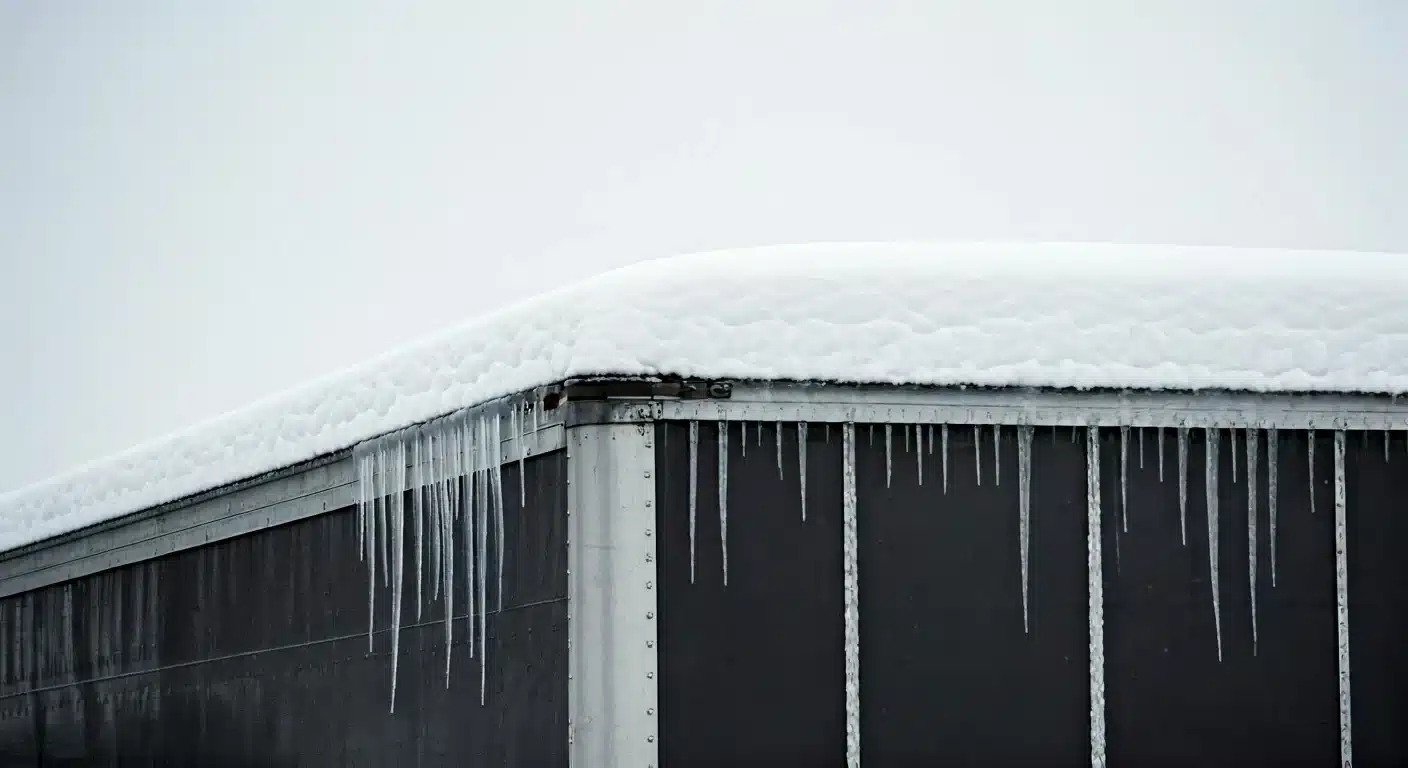
On March 5 1962, the Ash Wednesday Storm began to batter the East Coast.
For three days, this massive Nor’easter produced wet snow and freezing rain from North Carolina to New England. It broke records and effectively severed the main logistics corridors of the Mid-Atlantic.
Interesting Trivia:
- The “Runaway” Destroyer: The decommissioned Navy destroyer USS Monssen was being towed when the storm snapped its lines. The “ghost ship” ran aground at Beach Haven, NJ, where it stayed for six weeks as a local attraction.
- The Kitchen Pony: The famous wild pony, “Misty of Chincoteague,” survived the storm because her owners brought her into their kitchen for three days while the island was submerged under six feet of water.
The “Five High” Storm of 1962
The Ash Wednesday Storm of 1962 remains one of the most significant meteorological events in East Coast history. Often referred to by the U.S. Army Corps of Engineers as “Operation Five-High,” it was a rare and devastating confluence of weather and celestial mechanics.
A Rare Meteorological Alignment
The storm was an extratropical cyclone that behaved with hurricane-force intensity. It was formed by a unique combination of three distinct pressure areas that stalled off the coast.
What made the 1962 storm legendary was its timing. It arrived during a perigean spring tide (a period when the moon is at its closest point to Earth and aligned with the sun). This astronomical alignment naturally creates higher-than-normal tides. When the storm stalled for three days it pushed massive surges of water inland over five consecutive high tide cycles.
Historical Impacts and Records
The sheer scale of the storm’s reach was unprecedented for a Nor’easter:
- Blizzards in the South: While the coast flooded, inland areas faced “crippling” snow. North Carolina experienced full blizzard conditions, and snow fell as far south as Alabama.
- The 42-Inch Record: In Virginia’s Blue Ridge Mountains, one reporting station measured a staggering 42 inches of snowfall.
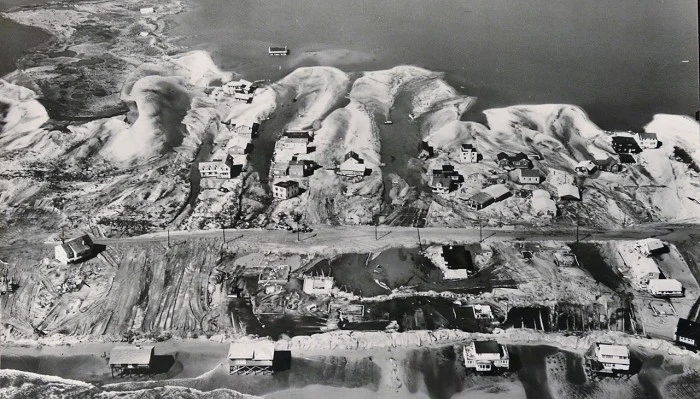
- Coastal Erosion: The storm “chewed up” the coastline from North Carolina to Long Island, destroying over 1,700 homes and damaging 16,000 more.
The Legacy of the Storm
The Ash Wednesday Storm fundamentally changed how the U.S. views coastal infrastructure and disaster readiness. Because the storm obliterated roads and resort development plans on Assateague Island, the land was instead preserved, leading to the creation of the Assateague Island National Seashore in 1965.
Beyond geography, the storm served as a permanent reminder of how quickly a stalled weather system can sever vital transportation links. In the Mid-Atlantic, many of the primary roads and rail lines were submerged or buried in sand for days, providing a benchmark for the extreme conditions that logistics networks must be prepared to face.
One bright spot: The famous wild pony, Misty of Chincoteague, survived the storm because her owners brought her into their kitchen for three days. Soon after, Misty gave birth to a foal that the family named Stormy.
Sources
Photo 1: The devastation caused in Harvey Cedars (Credit: Army Corps of Engineers)
Photo 2: Misty and one of her foals (Author Unknown)